
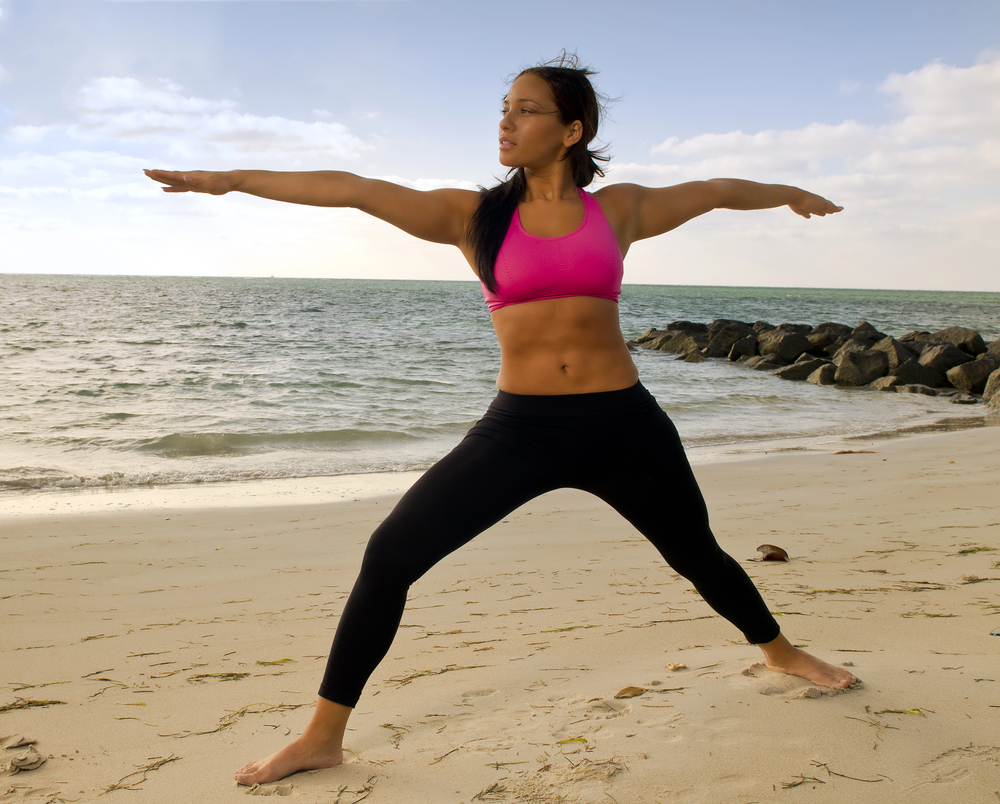
The imprint of trauma lives not only in memory or thought but in the body. It may show up as chronic tension, a frozen chest, a tight jaw, or a lingering sense that something inside is braced for impact. While reflection and insight are essential to healing, a growing field of research and clinical practice highlights the role of movement in helping the body release what the mind alone cannot resolve.
Trauma overwhelms the nervous system and can trap us in survival responses long after danger has passed. Fight, flight, and freeze are not abstract psychological states — they are physiological events. Muscles tighten, breath shortens, the body prepares for impact or escape. When these instincts are interrupted or incomplete, the body holds the unfinished story.
Movement offers a pathway — not to erase the past, but to gently complete what was never finished.
Why Movement Matters
Mindful, intentional movement can support trauma recovery in ways that are subtle yet profound:
Releasing long-held tension
Trauma teaches the body to brace. Small, mindful movements — stretching, rolling the shoulders, lengthening the spine — begin to interrupt that habit of protection. Release often comes one breath at a time.
Soothing the nervous system
Rhythmic movement such as walking, swaying, rocking, or gentle yoga signals safety. These patterns help shift the nervous system away from threat and back toward equilibrium.
Restoring agency
Trauma takes away choice. Choosing how and when to move expresses: This is my body; I decide what happens now.
Returning to the present moment
When memories pull us away, movement anchors us in now — feet on the floor, breath sensed in the ribs, the subtle sway of the spine.
Giving form to what words cannot
Some emotions are preverbal, somatic, or symbolic. Movement becomes language — an embodied way for the system to express and release experience.
Reconnecting with the body
Trauma can make the body feel unsafe or unfamiliar. Slow, respectful movement rebuilds that relationship gently.
Movement and Research in Trauma Healing
The field has been shaped by clinicians such as Bessel van der Kolk, whose work in The Body Keeps the Score underscores the conclusion many trauma therapists now hold: healing involves the body as well as the mind. Insights from Somatic Experiencing, polyvagal theory, trauma-informed yoga, and sensorimotor approaches continue to support this.
My Approach
In therapy, I integrate body-informed work in ways that feel accessible and respectful of pace:
- Psychoeducation including how trauma affects the nervous system
- Mindful movement practices like breath-led stretching or walking
- Somatic Experiencing–informed techniques for tracking sensation
- Resource building for safety, strength, and calm
- Grounding exercises to regulate overwhelming emotion or flashback
- Referral to trauma-informed yoga or embodiment practices
The goal is not performance. It is presence. Not pushing, but allowing.
A Closing Thought
Healing from trauma is not only understanding what happened — it is giving the body safe ways to release what it has carried. When we move with breath and intention, we create the conditions for the system to soften, reorganize, and trust again.
Wholeness returns gradually — not as a single revelation, but as a steady conversation between body and mind, each remembering the other, piece by piece.