
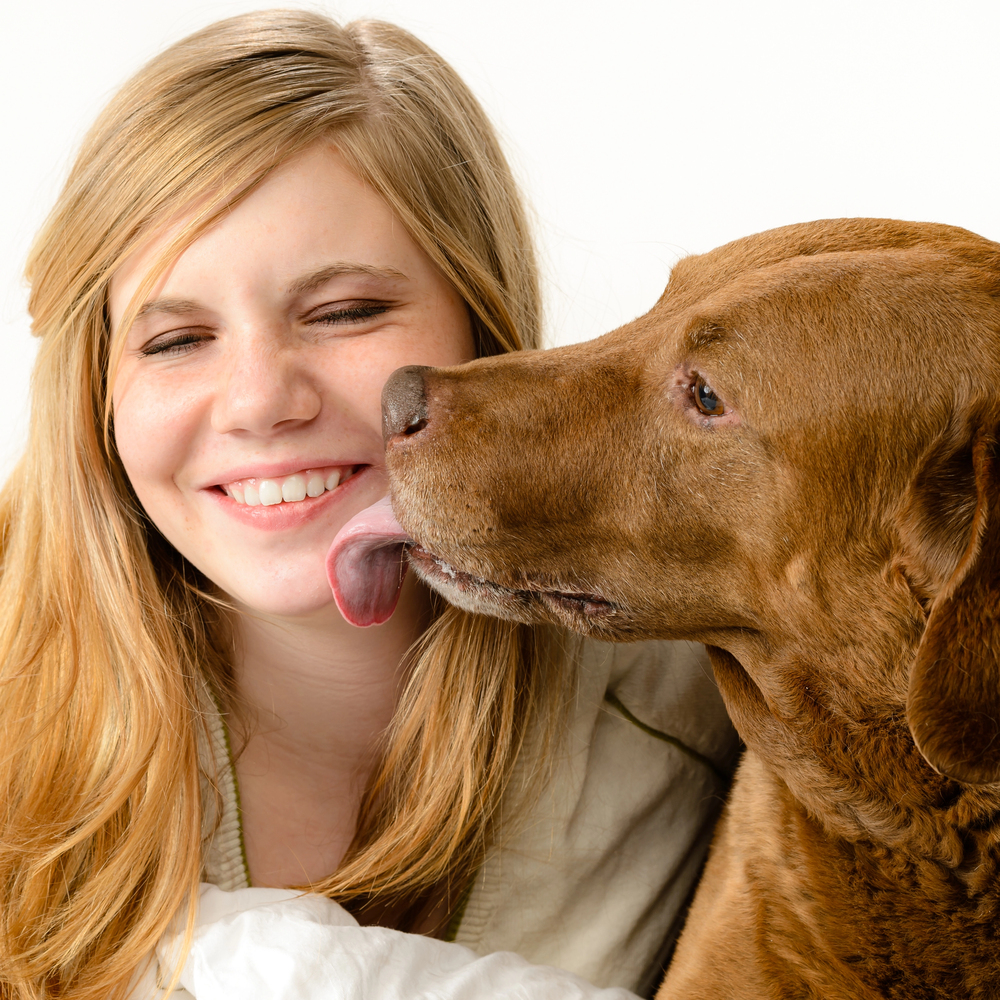
Daily life can become a blur of tasks, goals, and expectations. Even a walk turns into something to complete rather than experience. We move quickly, minds fixed on what comes next, and the pace can leave us disconnected from ourselves and the world around us.
For me, the antidote has four legs and a wagging tail.
Dogs offer a simple, grounded blueprint for living a more attentive and meaningful life. When I follow their lead, even a little, I find myself more present, more curious, and more human.
Below are eight lessons my dogs have quietly taught me.
Be Present
My dog stopped mid-trail because a squirrel moved somewhere in the canopy. That pause, that full-bodied attention, was a reminder: presence is not an idea. It’s sensory. Dogs smell the cold air, notice the shift of wind, and settle into the patch of sunlight without thinking about where to sit next. We can learn to return to the moment with our senses rather than our thoughts. Attention is a form of affection.
Make Time to Move Outside
A walk is not merely exercise. Nature grounds the nervous system in ways fluorescent lights never will. The texture of the path, the smell of rain, the rhythm of steps—it all signals safety and brings the mind back into the body. My dogs remind me twice a day: getting outside is not an optional add-on to life; it is part of life.
Enjoy the Journey, Not Only the Arrival
No destination is more exciting than the trail leading to it. Dogs savor the in-between—the meadow, the log, the lingering. They teach that anticipation can be enjoyment, not tension. Slowing down is not inefficiency; it is participation.
Savor Food
Dogs eat with enthusiasm (perhaps too much). But their delight is a reminder that nourishment is not merely fuel. Preparing food with intention, eating without screens, tasting what we’re tasting—this is one of the simplest ways to calm the body and honour daily life.
Joy Is Found in Simplicity
A hose full of water becomes a fountain of wonder. A tennis ball is a cause for celebration. Dogs notice what is available and delight in it. We often wait for something large to shift our mood; they show us that small things are already enough.
Rest Is Part of the Rhythm
Dogs do not apologize for napping. No guilt, no negotiation. Sleep and rest are non-negotiable components of well-being. Eight hours of sleep heals more than most supplements ever will. A well-rested body makes emotional regulation possible.
Connection Matters, but Discernment Matters Too
My puppy loves to meet every dog—after a moment of assessment. Dogs read signals, approach slowly, and decide whether engagement feels safe. The lesson is not to withdraw from people but to choose connection intentionally. Good friendships are not built on access; they are built on mutual safety.
Lead With Affection
Dogs greet us as though we are worth celebrating. Every time. Their loyalty, forgiveness, and uncomplicated acceptance remind us that relationships thrive when appreciation is expressed, not assumed. Small rituals of warmth strengthen bonds.
Dogs are, in many ways, unfiltered. They live without pretense, responding genuinely to the moment in front of them. In a culture that prizes performance and constant output, dogs show us the quiet dignity of simply being.
If we let them, our dogs can become daily teachers—reminding us to slow down, to notice, to follow the trail with curiosity, and to greet our people with affection. They show us that presence is the foundation of connection, and connection is the foundation of a meaningful life.