
There is a Zen saying: “Whatever I encounter is my life.”
Not the life I planned.
Not the life I compare to others.
Not the life I rehearse in my imagination.
The one I am meeting, right now — with all its beauty and incompleteness.
Most of us don’t resist the present moment because we dislike it.
We resist it because it touches something tender.
Regret.
Longing.
Fear.
The ache of unlived possibilities.
Presence is not a polite noticing — it is contact with reality, and contact is always relational. We meet the world, and the world meets us back.
This is why presence is not merely mindfulness.
It is eros — the subtle pull toward what is vivid and alive.
Even the painful parts shimmer if you stand close enough.
The Ethics of Attention — as Encounter, Not Technique
Japanese aesthetics has always understood: beauty is not an accessory.
It is a way of being in relationship — to moss on stone, to winter branches, to impermanence itself.
Attention is ethical because it is intimate.
To truly notice is to allow yourself to be touched.
The shadow that slides across the table when a cloud moves — that is relationship.
The fatigue in a partner’s voice — relationship.
The knot in your throat when no one is watching — relationship.
Presence is not passive observation.
It is participation.
The world is happening, and you are happening with it.
When Presence Hurts
There is a reason we prefer distraction, speed, certainty:
The present moment can be inconvenient and unbearably honest.
To encounter what is often means encountering grief —
the parts of life that didn’t unfold as hoped,
the versions of us that never got chosen,
the doors we closed to survive.
Presence does not promise comfort.
Presence promises reality — and strangely, reality is kinder than illusion, because you can touch it, sit with it, weep into it, and be changed by it.
The present moment is not asking for your performance.
Only your willingness.
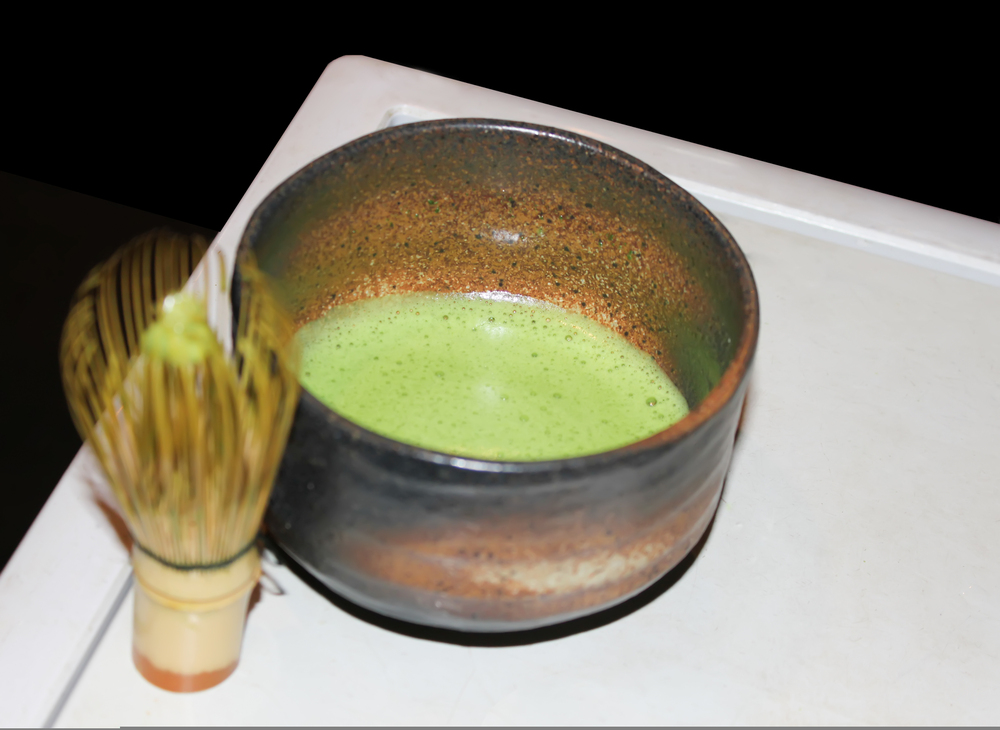
A Cup of Tea: An Intimate Act
Presence is not found in perfect stillness —
it’s found in contact.
Boiling water. Steam rising.
The cup warming under your palm.
The scent of leaves releasing their history.
Sip. Pause. Wait for the aftertaste.
Notice that your body knows something the mind does not.
The tea is not a metaphor.
It is your life — briefly held, then gone.
Presence as Resistance, and as Return
In a culture that demands productivity, presence is rebellion.
Not because it slows us down — but because it returns us
to the part of us that cannot be commodified.
“Whatever I encounter is my life”
is not about acceptance as resignation —
it is acceptance as intimacy.
This moment is not a detour.
It is the path.
Meeting your life with your whole self —
even when your voice shakes,
even when your heart longs for another ending —
is how soul finds its way back into the body.
Presence is not the consolation prize for the life you didn’t live.
It is the doorway into the one that is here —
waiting to be met.